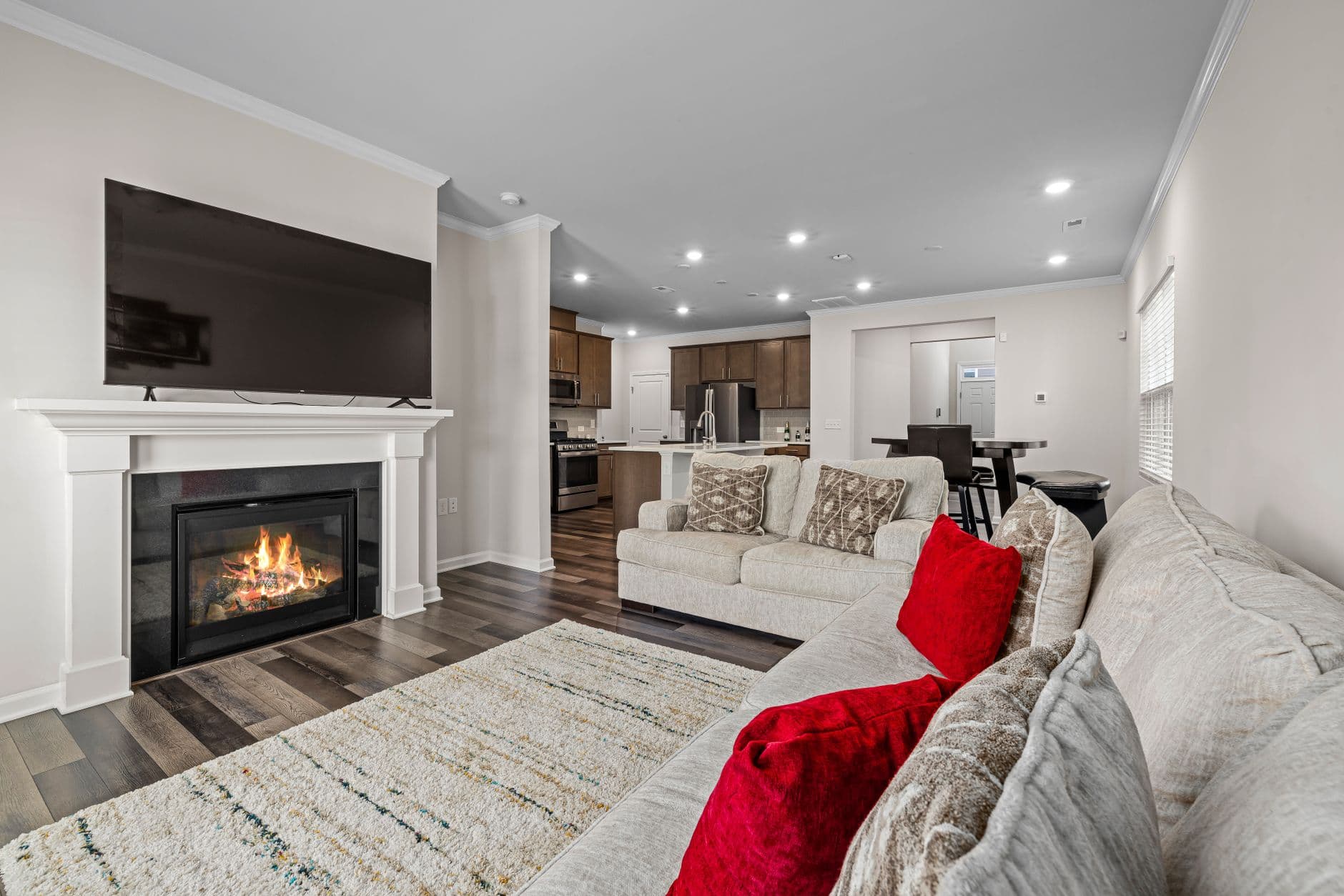
Getting Real Warmth Out of Family Movie Nights by the Fire
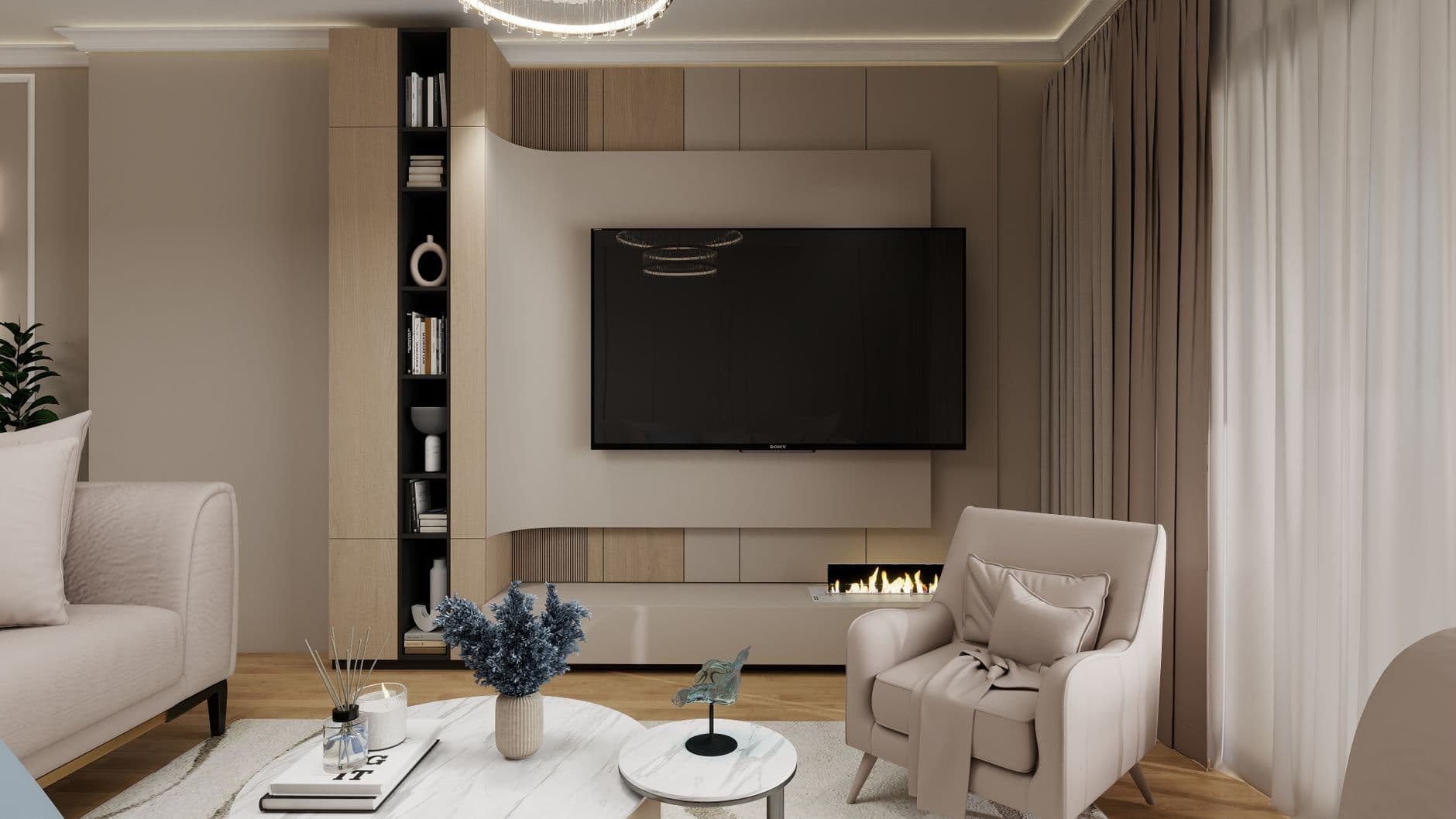
There is a particular kind of winter evening every Pasadena family knows: kids in pajamas, a dog curled up on the rug, a movie playing, and a fire that looks great but barely takes the chill off the room. Most traditional wood burning fireplaces only turn about 10 to 15 percent of the wood's energy into usable heat, which means the ambiance is real but the warmth often is not living up to it.
This guide covers practical ways to get more heat out of your fireplace during the season when your family actually uses it most, without turning fire night into a chore.
Why the Fire Looks Warm but the Room Still Feels Cold
The draft problem. Your chimney needs a strong draft to pull smoke up and out, but that same draft also pulls heated air from the room right along with it. On a night when you are trying to keep a toddler's bath-then-pajamas routine on schedule, that means the thermostat is working overtime while the fire burns.
Radiant heat only reaches so far. A traditional fireplace mostly throws heat in a straight line toward whoever is sitting directly in front of it. If the kids are in front of the fire and everyone else is at the kitchen table, the table stays cold no matter how big the fire gets.
The fire competes with the house for air. In a tightly sealed modern home, a wood fire pulls combustion air from somewhere, sometimes from vents in other rooms, which can leave a nursery or home office feeling drafty while the family room warms up.

Start With a Clean Chimney
A clean flue burns better, plain and simple. Creosote buildup narrows the passage and restricts draft, which means the fire works harder for less heat and produces more of the smoky smell that ends up on everyone's clothes. An annual cleaning by a technician is the baseline fix before trying anything else on this list, and it is also the safety step that matters most in a house full of kids and pets.
Burn Wood That Is Actually Ready to Burn
Wet or green wood wastes its energy evaporating moisture instead of producing heat, and it creates more smoke in the process, which is exactly what you do not want drifting into a room where kids are doing homework nearby. Properly seasoned wood is lighter, sounds hollow when you knock two pieces together, and has started to develop small cracks at the cut ends. Give split wood six to twelve months to dry, stored off the ground somewhere it gets airflow, ideally somewhere the dog cannot turn into a chew toy pile.
Build the Fire From the Top Down
The stacked log cabin method most people learned as kids is not actually the most efficient way to build a fire. Try this instead:
1. Place the largest logs on the bottom 2. Add a layer of medium sized logs across the first layer 3. Top with kindling 4. Add crumpled paper or a fire starter on top 5. Light from the top down
This method heats the flue faster, which means less smoke escaping into the room during those first few minutes when everyone is settling onto the couch, and a longer, more even burn once the fire gets going.
Manage the Air Once the Fire Is Going
Open the damper fully to get the fire started, then ease it back once flames are steady to keep a controlled burn without excessive draft pulling room air away. Never close the damper all the way while embers remain, since that can trap dangerous fumes. If your family tends to fall asleep on the couch during movie night, glass doors on the fireplace are worth considering. They let you enjoy the fire visually while cutting down how much warm air gets pulled up the chimney once the flames die down and everyone has drifted off.
Consider a Fireplace Insert if You Use It Often
For families who light a fire several times a week all winter, a fireplace insert is the single biggest efficiency upgrade available. Inserts pull combustion air from outside rather than from your heated living space and route room air around the firebox before releasing it back warmer, often reaching 70 to 80 percent efficiency compared to the 10 to 15 percent of an open masonry fireplace. For a family room that gets heavy nightly use all season, that difference shows up directly on the thermostat.
Small Additions That Add Up
A grate or andirons lift logs so air can circulate underneath, which helps the fire burn more completely and produce more usable heat instead of smoldering.
A heat reflector on the back wall of the firebox redirects warmth into the room instead of letting the masonry soak it up, a simple add-on that can noticeably boost how much heat actually reaches the couch.
A blower or fan pushes warm air further into the room, which matters if your family spreads out between the fireplace and the kitchen table during a typical evening.
Keep the Damper in Good Shape
A rusted or warped damper leaks heat up the chimney even when nobody is home and no fire has been lit in days. Have it checked annually, especially if your home is older and the fireplace gets regular winter use with a family gathered around it most nights.
Zone the Heat to Where Your Family Actually Is
If everyone tends to gather in the family room in the evening anyway, use that to your advantage. Close doors to bedrooms or playrooms that are not in use, let the fireplace do more of the work in the room where people are actually sitting, and turn the central thermostat down a few degrees. Many families find this alone makes a noticeable difference in the monthly heating bill without changing anything else about how they use the fireplace.
Keep an Eye on Ash Buildup Between Cleanings
Leaving a thin layer of ash, about an inch, actually helps insulate the coals and makes the next fire easier to start. But once ash builds up much beyond that, it can restrict airflow to the fire and make it harder to get a strong, efficient burn going. For households where the fireplace gets used several nights a week, a quick ash check before lighting up on a Friday night saves you from fighting a sluggish fire while the kids are waiting for the popcorn to finish.
When the Fireplace Just Is not Cutting It
If you have tried the above and your fireplace still is not putting out meaningful heat, or if wood handling and ash cleanup have become more hassle than the evenings are worth with young kids underfoot, a gas insert or a high efficiency gas unit is worth a look. It trades a bit of the classic wood fire experience for consistent, thermostat controlled heat and none of the ash a toddler or a curious dog might get into.
Get More Out of Every Fire This Season
Our technicians at Sootly Chimney Sweep can look at your specific setup and recommend what would make the biggest difference for how your family actually uses the fireplace. Call (818) 671-0879 to schedule a visit. We serve Pasadena, Altadena, San Marino, Alhambra, La Canada Flintridge, Montrose, and the surrounding San Gabriel Valley.
A few adjustments and one good cleaning can turn a fireplace that is mostly for looks into one that genuinely warms the room where your family spends its winter evenings together.
Need Professional Chimney Service?
Tell us what is going on and a technician will help with your chimney or fireplace. Sootly Chimney Sweep works throughout the Pasadena and the San Gabriel Valley service area.